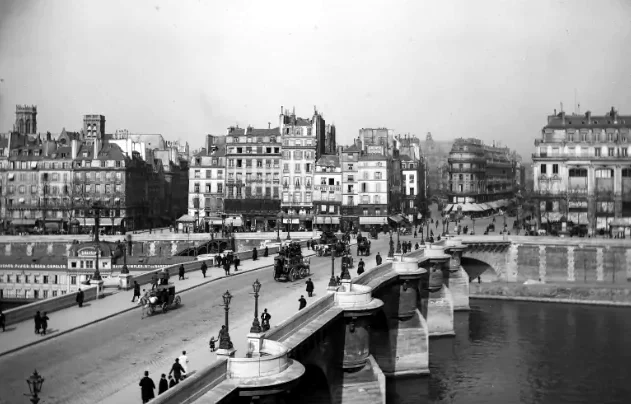
The Pont-Neuf around 1950

Since 1745

A Paris story of rain, sunshine and elegance.

The House’s former brochure tells more than a sequence of addresses. It places Antoine within the history of Paris and of an object that has been a symbol of power, a fashion accessory and an everyday companion.

1745
The Pont-Neuf in Paris around 1950

01

The Pont-Neuf

Mr and Mrs Antoine settle on the Pont-Neuf, then one of Paris’s main thoroughfares.

On rainy and sunny days, they rent umbrellas for the crossing. A singular business begins among open-air stalls, entertainers and promenaders.
1760
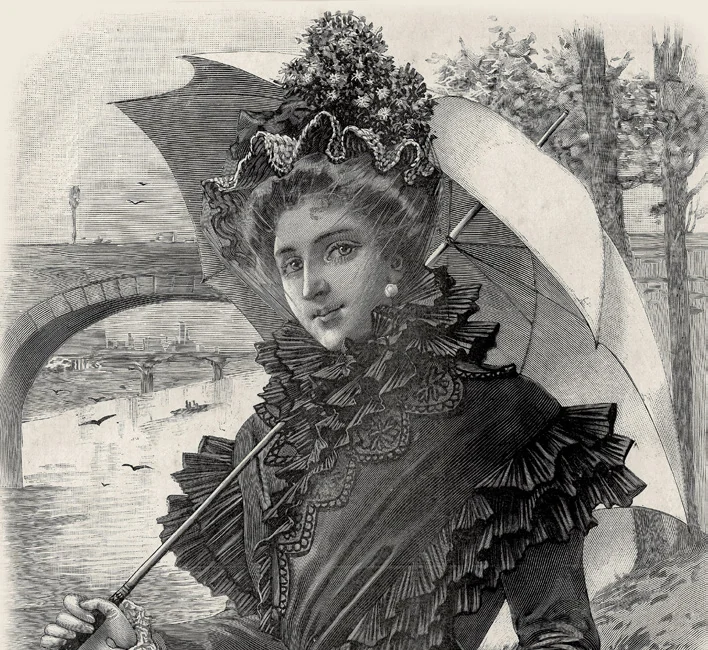
Historical engraving of a woman holding a parasol

02

The Palais-Royal

Antoine leaves the Pont-Neuf for the Palais-Royal, a favourite Paris promenade and a stage for major political and cultural changes.

The House develops the making and sale of canes and umbrellas, building its reputation there for almost 125 years.

1885
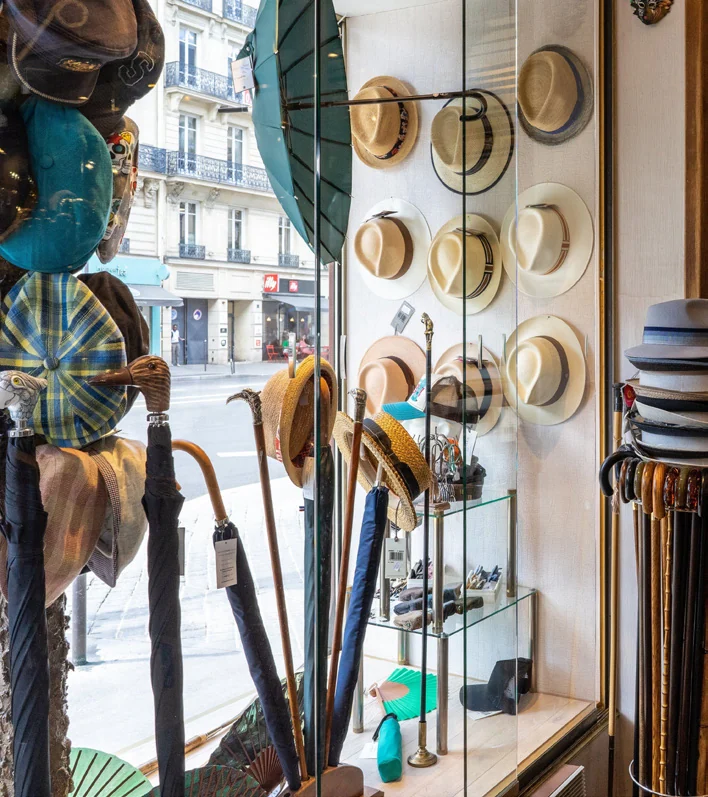
Inside the Antoine shop on avenue de l’Opéra

03

Avenue de l’Opéra

In Haussmann’s Paris, Antoine opens at number 10 of the new avenue de l’Opéra, near the Palais-Royal, the Comédie-Française and the Tuileries.

The prestigious address becomes the lasting setting for canes, umbrellas, parasols, gloves, hats, caps and fans.

Today
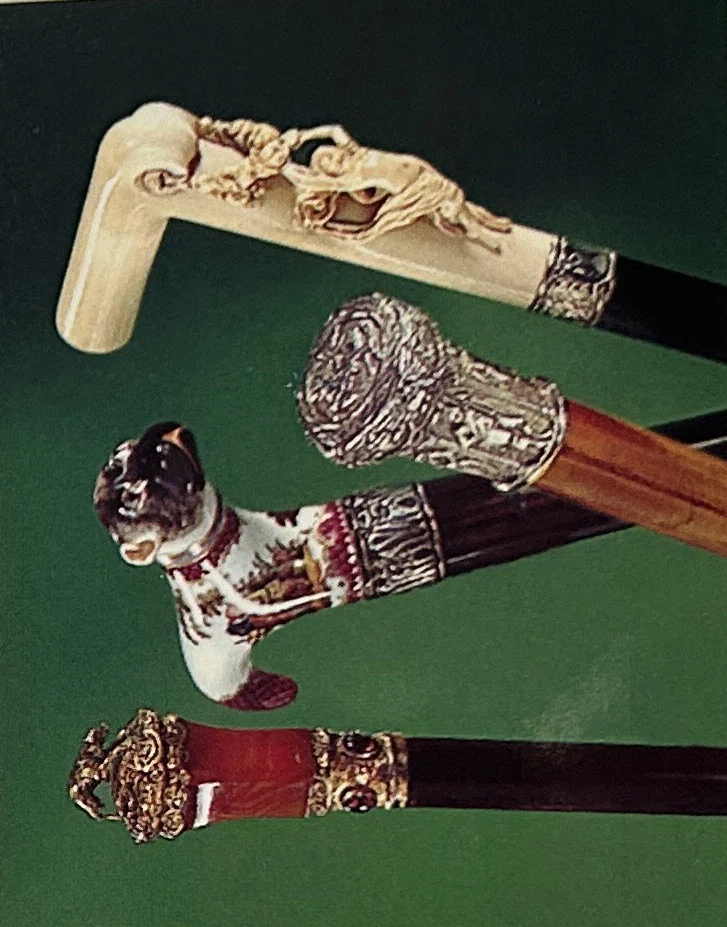
Antique carved cane handles

04

The House continues

Uses change, but the standard remains: meeting uncertain weather with useful, elegant and lasting objects.

The shop remains a place for advice and discovery, where everyday life meets history.

The object and its era

From symbol of power to everyday companion

The brochure traces the parasol through China, Japan and Rome, its arrival in France with Catherine de’ Medici, and its place in fashion, art and social life. That wider history gives the House a distinctive visual language: rain, sunshine and gesture.

Antoine

10 avenue de l’Opéra

The story can also be discovered in the shop.

Visit the House